Starting Your First Poultry House? Get Covered Before Groundbreaking
You just signed with an integrator (the company you grow birds for under contract) and you're about to break ground on your first house. Before the dirt moves, you need the right insurance lined up -- not after. Here's the order to do it in.
The New Grower Insurance Checklist
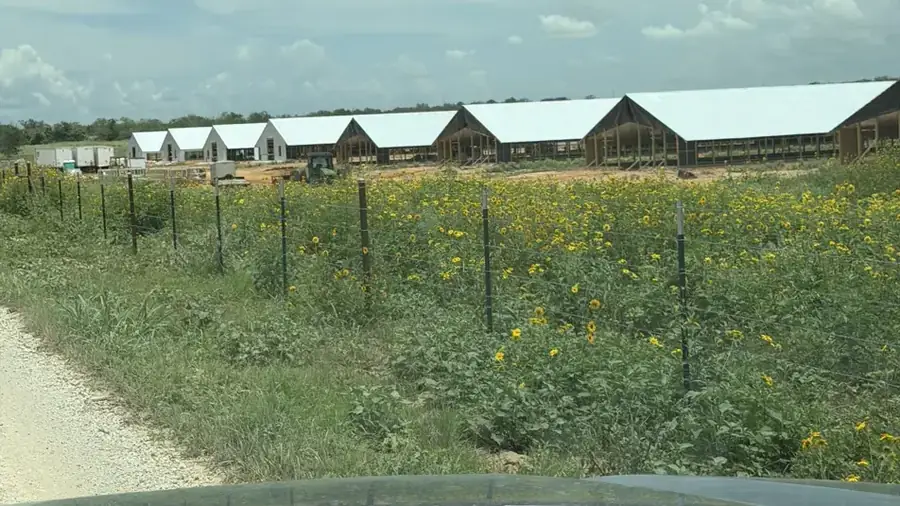
Building a poultry house is a big investment, and most of that investment is exposed the moment your builder breaks ground -- weeks before your integrator ever delivers a bird. Work through this list in order.
1. Get your builders risk quote lined up before you break ground.
Builders risk is a short-term policy that covers your house while it's under construction -- lumber, trusses, equipment, the works -- against fire, wind, and other covered causes of loss. It needs to be in place before the first nail goes in, not after. Most growers can get a same-day coverage indication (a same-day estimate of what your policy will cost, based on your project details) from one phone call.
2. Confirm your lender's loss-payee language is correct on the certificate.
If you're financing the build (FSA, Farm Credit, or a local bank), your lender will require a certificate of insurance (COI, the document that proves you have coverage) naming them correctly as mortgagee or loss payee. Get this checked before your first construction draw -- a wrong name or missing clause can hold up your loan disbursement.
3. Keep builders risk in place through construction.
Your builders risk policy runs for the length of your build. Don't let it lapse between draws or phases. If your timeline shifts, call and adjust the policy -- don't just let it run out.
4. Transition to the permanent farm property program at completion.
Once the house is built and ready for birds, your coverage needs to shift from builders risk to a permanent farm property policy (the ongoing insurance that covers your finished house year to year). This isn't automatic -- it has to be set up as construction wraps so there's no gap between "house is done" and "house is insured."
5. Set your business income limit before your first flock.
Business income coverage replaces the income you'd lose if a covered loss shuts a house down mid-flock. You set this limit yourself based on what a lost flock cycle actually costs you. Do this before your first birds arrive, not after something goes wrong.
Common New-Grower Mistakes
Waiting too long to call. The biggest mistake is treating insurance like a task for "closer to move-in." Builders risk needs to be quoted and bound before construction starts, and that conversation takes 10-15 minutes on the phone once you know your house count, projected completion date, and who you're growing for.
Assuming the builder's insurance covers the structure. Your builder likely carries their own liability coverage for their crew and equipment. That is not the same as coverage on the structure itself while it's being built. If you don't have your own builders risk policy, the house itself may be exposed to fire, wind, or storm damage during construction with nothing behind it.
Not confirming lender requirements early. Lenders often have specific language they require on your certificate of insurance. Finding out about a mismatch at your first draw request causes delays you don't need. Confirm this in the first call, not the third.
Ready to Line This Up?
If you've got a contract in hand and a build date approaching, the next step is a short phone call. Bring your house count, your projected completion timeline, and who you're growing for -- that's usually all it takes to get a same-day builders risk indication moving.
Meet the Team